Community Finance
Community Finance
How community finance works: what a CDFI is, how loan funds lend where banks cannot, and the loans that build housing and local facilities.

Community finance is the capital side of neighborhood rebuilding: the lenders, funds and credit instruments that pay for housing, facilities and small businesses where conventional finance hesitates. This section explains the field from the label down, starting with what a certified community development financial institution is, moving through how loan funds raise and recycle their capital, comparing community lenders with banks, and closing with the loan types a borrower actually meets.
What does this section cover?
Four guides, one after the other like layers of the same machine. The first defines the sector's central institution, the Community Development Financial Institution, Treasury certification and all, and explains the four types it covers: banks, credit unions, loan funds and venture funds. The second zooms into the loan funds, how they gather capital from banks, foundations and government, how their committees lend it, and how repayments roll into the next project. The third compares a community lender with an ordinary bank: mission, capital sources, underwriting, and which projects each fits. The fourth is the borrower's view: the loans themselves, predevelopment, acquisition, construction, mini perm and facilities, and what a lender asks for each.
Who is the section written for?
The nonprofit staff member preparing a first borrowing comes here, board packet in hand, needing to know what a loan committee will ask. The student of planning or policy comes for the vocabulary that separates a bank from a mission lender. The small business owner wants to know whether a community credit union or a microenterprise fund suits a thin credit file. The donor or foundation officer wants to understand what program related investments actually do. Each guide keeps that reader visible and answers in the order the questions arrive in real meetings.
How should a reader use the guides?
Start with the institution: what a CDFI is defines certification, the target market test, the four institutional types and the federal programs behind the label. Then follow the money: CDFI loan funds explained shows how a nonprofit pool raises capital, prices risk without a bank's collateral reflexes, and recycles repayments. Third, the comparison: CDFIs versus banks places the two lenders side by side so a borrower can tell which door to knock on. Fourth, the instruments: community development loans catalogs the loan types, their terms, their security and the documents each demands.
How does this connect to housing and neighborhoods?
Community finance exists because of the projects described elsewhere on this site. The acquisition loan in the loan fund guide is the one that buys the building in how nonprofit housing projects are financed. The flexibility praised in the comparison guide is what lets supportive housing, defined in what supportive housing is, get built at all, because its rents never satisfy a standard credit committee. And the whole sector rests on the tradition of patient capital traced in the history of community finance in Washington DC, a record that includes a loan fund once hosted on this very domain.
What is the honest picture of the field?
The guides keep two facts in view at once. The sector works: its default experience has stayed far below what its risk profile implies, and its money reaches places nothing else reaches, which is why banks fund it and Treasury certifies it. And the sector is small: measured against the scale of American disinvestment, community finance is a floor under specific buildings and businesses, not a replacement for wages, wages policy or public budgets. Readers deserve both facts, because the first explains the field's confidence and the second its urgency.
Which terms recur through the guides?
Certification, the Treasury test that makes a lender a CDFI, recurs first: mission, target market, development services, accountability, all four required. Underwriting, the process by which a lender decides, recurs second, because community lenders bend it rather than skip it. Capital stack, the layered financing of a project, recurs third, since every loan in this section occupies one layer of someone's stack. Recycling, the reuse of repayments, recurs fourth and explains how a fund founded decades ago still lends today. Four terms, held firmly, make every page in this section readable without a dictionary.
Where does a borrower begin?
With preparation, not with applications. The loan guide closes with the sequence: a project description, a sources and uses table, evidence of site control, financial statements, and a clear statement of the community served, census tract, incomes, public benefit. A reader whose project sits in the District of Columbia should also read the guide to DC affordable housing programs, since local trust funds and purchase laws change what a lender will finance. The wider context of ideas and organizing starts in the community development section.
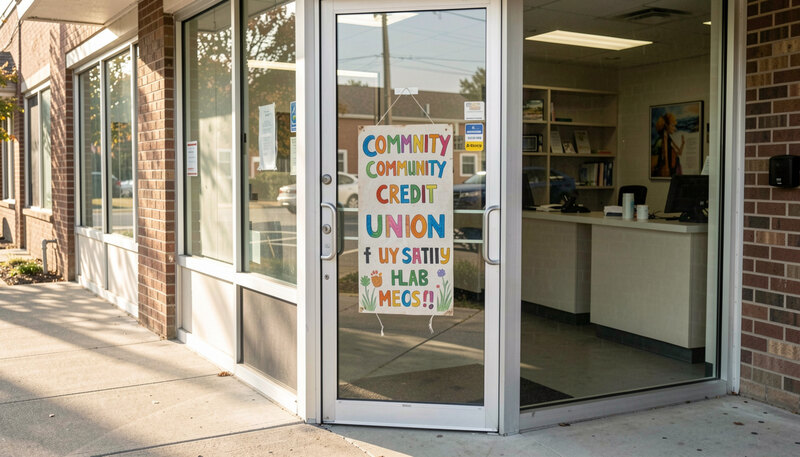
What Is a CDFI?
A clear guide to Community Development Financial Institutions: the four types, Treasury certification, what they fund and who they serve.

CDFI Loan Funds Explained
How CDFI loan pools gather capital, lend to nonprofits and small developers, price risk, and recycle repayments into the next project.

CDFIs vs Banks
What separates a CDFI from a bank: mission, capital sources, flexibility on collateral and credit, and when each lender fits a project.

Community Development Loans
The main community development loans explained: predevelopment, acquisition, construction, mini-perm and facilities, plus what lenders ask.