Affordable Housing
Affordable Housing
What affordable housing is, how nonprofit projects are financed and preserved, and where supportive housing fits for residents with special needs.
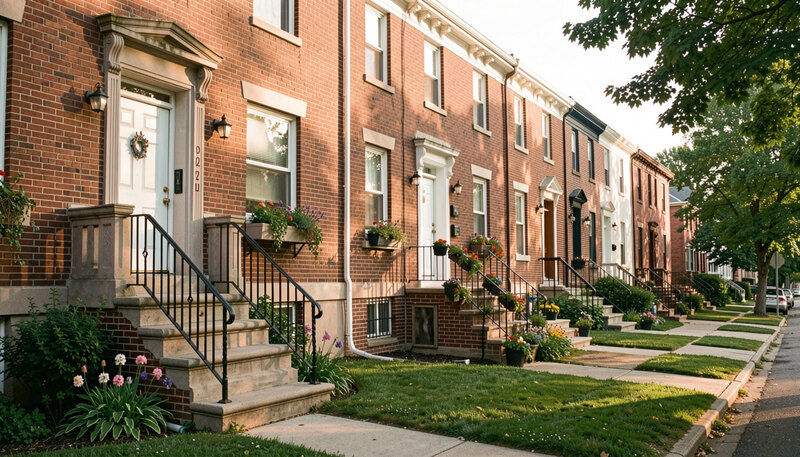
Affordable housing is the built output of community development: apartments and homes whose rents and prices are held to what target households can pay, through laws, subsidies and long term covenants. This section explains the field in three layers, what affordable housing is and who qualifies, how nonprofit projects are financed, and what supportive housing adds for residents who need services as well as walls.
What does this section cover?
Three guides, one ladder. The first is definitional: income bands, area median income, the thirty percent rule of thumb, and the program families, public housing, vouchers, tax credit apartments, inclusionary units, that house people at each band. The second is financial: the capital stack of a nonprofit housing project, from the first planning grant through tax credit equity to permanent debt. The third is residential: supportive housing, the model that pairs a permanent home with voluntary services for people facing disability, illness or homelessness. Each guide stands alone; together they trace a building from policy to financing to tenancy.
Who is the section written for?
Four readers arrive here most often. A household trying to understand what it qualifies for needs the first guide's income bands and waiting list mechanics. A nonprofit staff member or volunteer entering the housing field needs the second guide's financing stack before a first committee meeting. A social work or planning student needs all three for the vocabulary. And an advocate preparing comment on a local project needs the covenants and compliance rules that decide whether affordability survives. The section keeps the address of each question explicit rather than burying it in generalities.
How should a reader use the guides?
Read in order of need. For eligibility and application questions, start with what affordable housing is, which explains area median income, the bands from thirty to eighty percent, and how waiting lists actually behave. For questions of production, read how nonprofit housing projects are financed, which walks the stack layer by layer, predevelopment money, acquisition loans, tax credit equity, soft sources, construction and permanent debt. For the deepest band of need, read what supportive housing is, which defines the model, its residents, Housing First philosophy and its separate funding for bricks and services.
What connects housing to the money?
Nothing in this section exists without community finance. The tax credit equity in the second guide is raised by institutions explained in the community finance section; the acquisition and construction loans come from lenders, banks, community development financial institutions and loan funds, compared in the dedicated guides there. A reader who finishes the financing guide with questions about the lenders themselves should open what a CDFI is next. The shorter route for a general reader is what community investment means, which maps all the channels in one view.
What about preservation?
Production is the visible half of affordable housing; preservation is the half that decides the net change. Affordable units expire: tax credit compliance periods end, naturally affordable buildings trade into renovation, and rents rise faster than covenants. Preservation tools include purchase rights for tenants, as in Washington DC's 1980 law, trust fund layers that buy buildings off the speculative market, and land trusts that hold ground under homes permanently. The mechanics of those local tools are covered in the Washington DC section, which maps one city's full preservation toolkit.
Which terms decide most disputes?
Three pieces of vocabulary carry most arguments about a project. Affordability covenant: the legal promise, recorded against the deed, that keeps units at set income bands for set years; everything depends on its length and enforcement. Area median income: the yardstick every band and every listing is written against, recalculated yearly by the federal housing department for each county and metro. Compliance period: the span, fifteen years at minimum in tax credit deals, during which rents and tenant incomes are audited. When a proposal claims to be affordable, these three terms tell a reader what is actually promised and for how long.
Where does the section sit in the larger site?
This publication covers the field from its ideas to its local addresses. The ideas, what community development means, how revitalization proceeds, how investment flows, live in the community development section. The money lives in community finance. The District of Columbia, with its trust fund, purchase law and dense nonprofit ecosystem, has its own guides under Washington DC, including help for veterans facing home repair. This section holds the buildings themselves: who lives in them, how they were paid for, and how the most fragile households are kept housed in them.
What Is Affordable Housing?
What affordable housing means in the United States: income limits, the 30 percent rule, program types and who qualifies for each.
How Nonprofit Housing Projects Are Financed
The financing stack behind nonprofit housing: predevelopment loans, tax credits, grants, first mortgages and the role of community loan funds.

What Is Supportive Housing?
Supportive housing pairs affordable homes with services for people facing disability, illness or homelessness. How it works and how it is funded.